Most small businesses do not lose enquiries because their marketing is bad. They lose them because nobody followed up in time. The lead came in on a Tuesday, sat in an inbox next to forty other messages, and by Friday the customer had already bought from someone else. A CRM fixes that - but only if you set it up in a way you will actually maintain.
This is the plain, no-buzzword version of how to set up a CRM for a small business. No vendor pitch, no 40-page implementation plan. Just the order of work that gets a working system into your team's hands in weeks instead of months.
Why scattered spreadsheets and inboxes quietly cost you enquiries
When your contacts live in three spreadsheets, a notebook and a personal inbox, you have no single answer to a simple question: who is waiting on us right now? Deals go cold silently. Two people reply to the same lead. And when a salesperson leaves, part of your pipeline leaves with them.
A CRM does not magically create demand. What it does is make sure the demand you already paid for does not leak out the bottom. Every enquiry gets a status, an owner and a next step. That is the whole point.
The minimum viable CRM setup
You do not need every feature. You need a system your team will open every morning. Start narrow and add later.
Step 1: Define the fields that actually matter
Before you touch any software, decide what a contact record must contain. For most small businesses that is: name, company, phone, email, how they found you, what they asked about, and the date of the last contact. That is it. Resist the urge to build a hundred fields - every empty field is one more reason not to update the record.
Step 2: Build a pipeline with five stages, no more
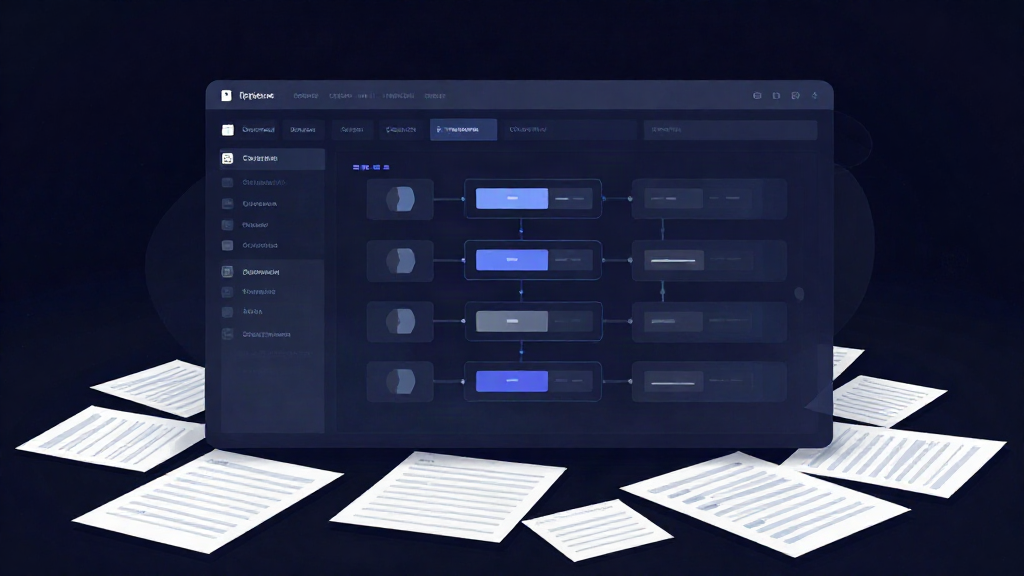
A pipeline is just the journey from first contact to signed deal. Keep it to five stages: New, Contacted, Qualified, Quoted, Won. If you sell something with a longer cycle you might need six. You almost never need ten. Short pipelines get used; long ones get abandoned.
Step 3: Add follow-up steps and owners
This is the step most setups skip, and it is the one that actually generates money. For each stage, write down what has to happen next and who does it. Example: a New lead gets a reply within one working day. A Quoted deal gets a follow-up call on day three. Every record always has one named owner. No owner means no accountability, and no accountability means the lead goes cold.
How to migrate existing contacts without breaking anything
Do not try to clean everything before you start. Export your contacts from wherever they live today, then import only the ones that are still alive: people you would genuinely be happy to hear from. Dead lists waste time and create noise.
Deduplicate by phone number and email, because that is where the same person shows up twice or three times. Map your old columns to the new fields from step one, and accept that some records will arrive incomplete. An incomplete record that is in the system beats a complete record that is still in a spreadsheet nobody opens.
One practical rule: migrate, then move your daily work into the CRM the same week. Running both systems in parallel for a month is how migrations die.
How to keep the system in daily use
A CRM only works if the team lives in it. Three habits keep it alive. First, log every contact where it happens, not at the end of the day - memory fades and so does the point of the system. Second, make the morning check a routine: open the pipeline, look at what is due today, act on it. Third, keep management reporting out of it at first. If the tool feels like surveillance, people will enter fake data to protect themselves.
Pick one person to own the setup. Not a committee. One person decides the fields, the stages and the rules, and everyone else follows. You can hand that role over later once the system is stable.
Where a system like this fits at Global Marketing AL
We build CRMs, websites, business systems and ad campaigns as one AI-driven marketing system, so the enquiries your ads generate land in a pipeline that is built to close them. Every engagement starts with a conversation and a written quote - no packages off a shelf, no invented numbers, no promises we cannot show you.
If your leads are still living in spreadsheets and inboxes, that is the first thing to fix. Set up the minimum viable CRM this month, run it for a few weeks, and you will see exactly which enquiries you were quietly losing.